What is in a design? When does it become public domain? When does it de-couple from art and function?
When is it just a pale shadow of a once upon a time company now run by tech conglomerates and lawyers?

I have played fender Stratocaster‘s for almost 50 years. I’ve always loved how thought out they were ergonomically and with their quirks - still the perfect electric guitar of the 20th Century. It was the next logical step after the telecaster in terms of contours and balance. I’ve probably worked on so many of them (thousands in busy shops) it would not be surprising if I was able to disassemble one and put it back together blindfolded.
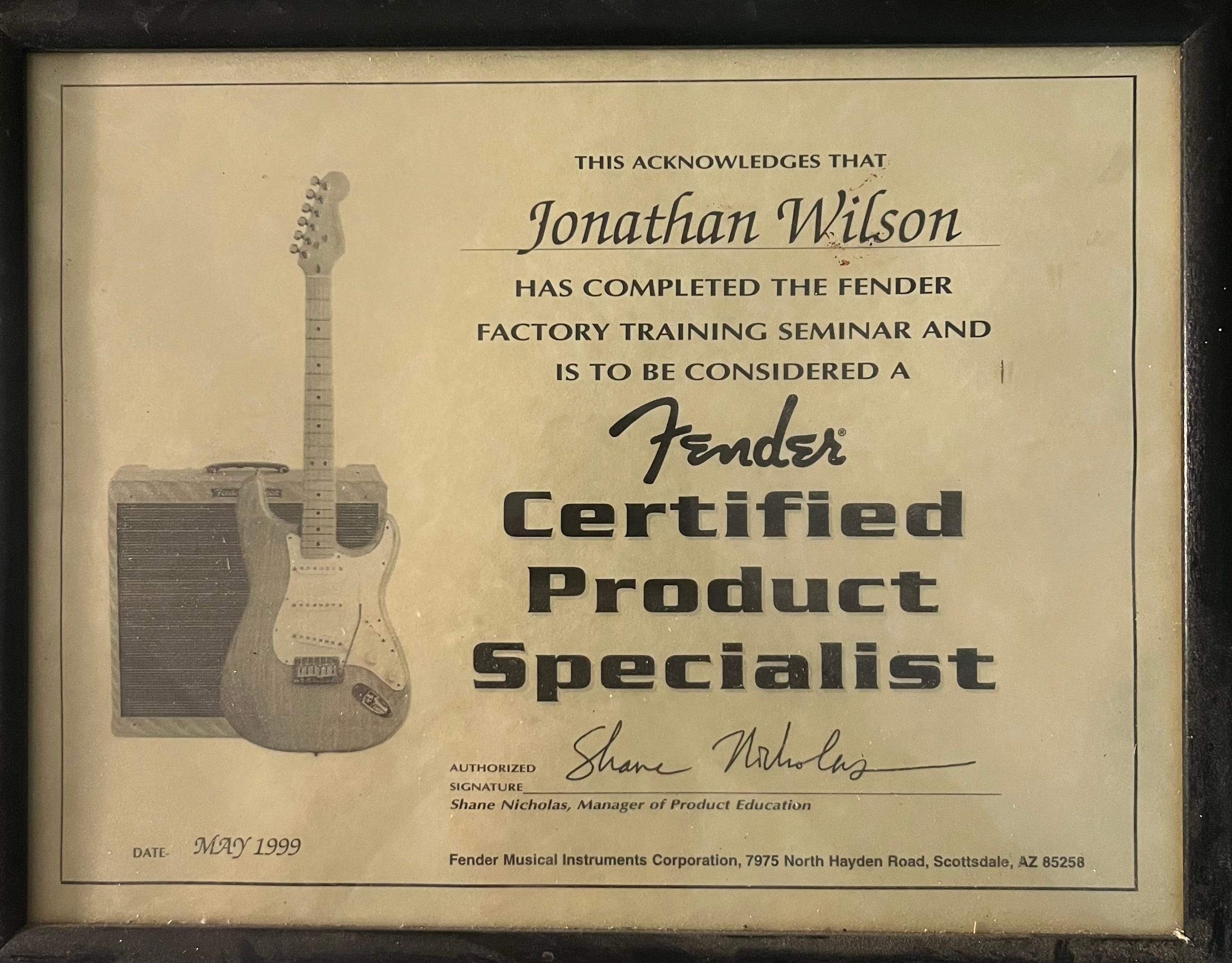
Fenders contribution to guitar history is quite unique. They were designed by Leo Fender’s engineering/problem solving mind in contrast to traditional build approaching . The thinking process was if they could be modular assemblies it would be cheaper to ship a replacement neck then it would be the whole Guitar if something went wrong with the neck. I don’t think that they ever thought (at that time) that they were essentially creating an aftermarket parts-caster market that would particularly thrive after CBS era Quality issues were the situation of the day. I actually owned a couple of late 70s Stratocaster‘s and I do know their issues: weight, neck pocket fit, excessive tone condom poly finish as if it was dipped like a frozen ice cream bar into chocolate. There affectively became an aftermarket of better parts for the same guitars. Eventually kits. Many people know the history of Eddie Van Halen, Charvel, Jackson and eventually Kramer. Oh yeah Schecter was originally in the parts business. So The super Strat market grew. During the 80s, pretty much every (spandex wearing Bad haircut band) was playing some form of a super Strat - often not made by Fender. Some of these companies have either gone away or have been actually bought and are part of Fender’s catalogue. (so the big bad F word now owns them - well played…..).
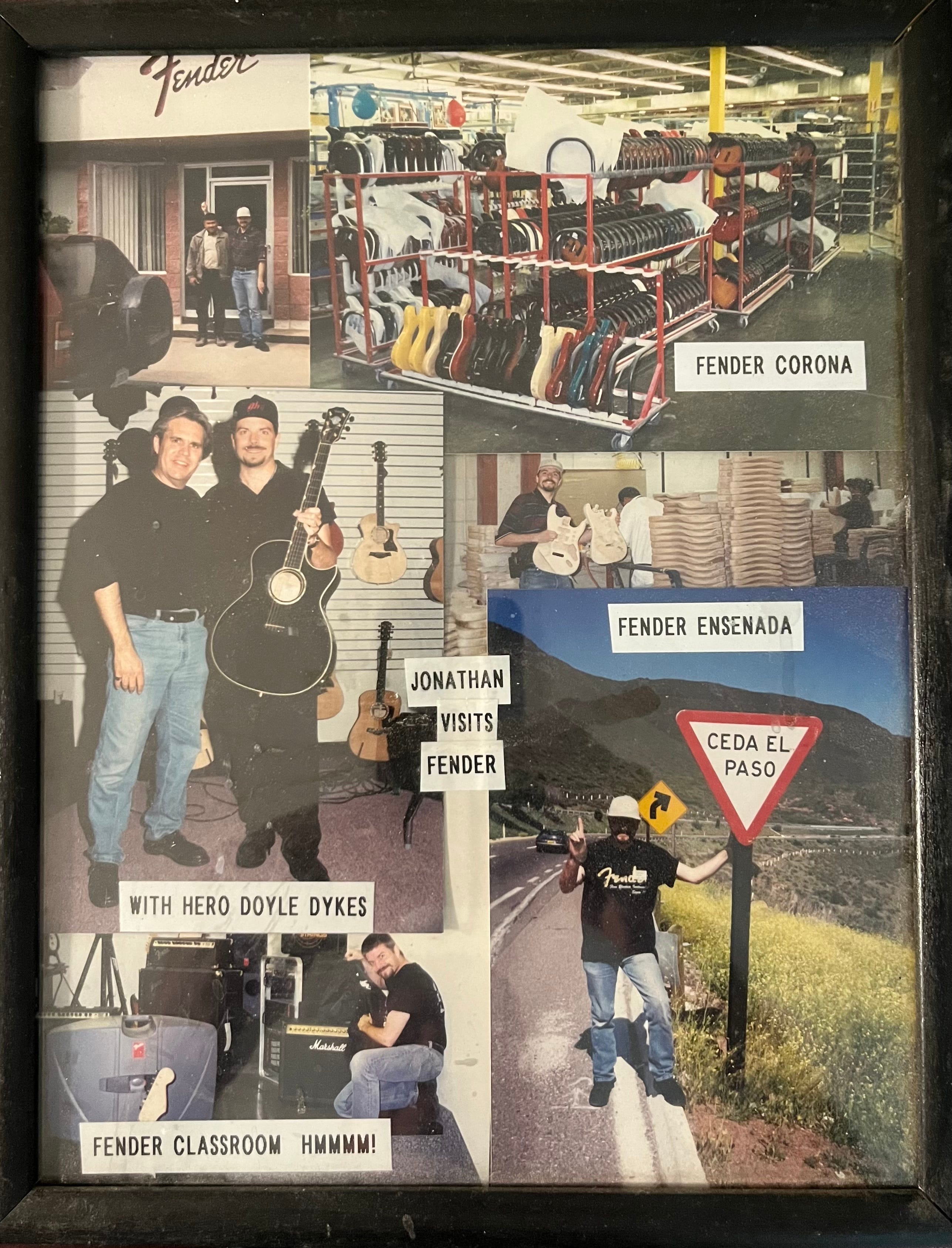
Now 72 years after the Stratocaster was launched, several company iterations in ownerships later, Fender has become a conglomerate gang bang lawyer festival. There is no resemblance to the company that Leo Fender started. It’s now a brand and asset on a corporate conglomerate spreadsheet and a rabid herd of lawyers. No real innovations just selling exact replicas of the past. I get why the brand wants to protect its recognizable identity (I have some things to say about that later). But 70 years of Stratocasters later, these asset manager litigators are trying to bully/intimidate any and every aftermarket Fender offender? The question is - has the Stratocaster achieved public domain given the very late date and decades and decades of after market? (some of those companies have been acquired and swallowed up by Fender). They effectively own their previous competition. (Fender - where old competitor brand acquisitions like SUNN and SWR et al. go to die). Perhaps this bully stance that they are lashing out on at such a late date and time is the biggest PR misstep ever. Not that they are wrong for protecting their intellectual property - it’s just that they hit the snooze button for so many decades (under different management regimes) - why now?
Is it because the Guitar market is in crisis and they are feeling threatened by anything with a shrinking pie? Many retailers and makers closed their doors in this decade.
The pandemic was part of a perfect storm that has taken out many prominent companies and retailers in the industry. (My nervous system got trashed it in real time!) There was a brief period of time when the stimulus checks were flowing with people stuck at home and bored. There was a brief uptick in instrument and accessory sales. But it was a false flash event, The musical chairs of stimmy checks stopped and what followed was eventual crash in slow motion. By mid 2022 Fender had laid off a significant amount of its longtime employees (career names I recognize and I’ve known for a long time). Apparently they were 100 million dollars in the red after over producing just before the market collapsed. Dealers were dropping like flies and I think eventually they started selling directly to the public. I can’t help wondering if Fender sees a shrinking pie and wants to make sure that they get their lion‘s share of it? But yeah they tried this move before back in 2009 and apparently that didn’t go well. They are taking some random default judgment case in the European Union and using it as some sort of optical bully leverage to any (and every) company that makes something that at the blink of an eye looks like a Stratocaster. Again the question is why now?
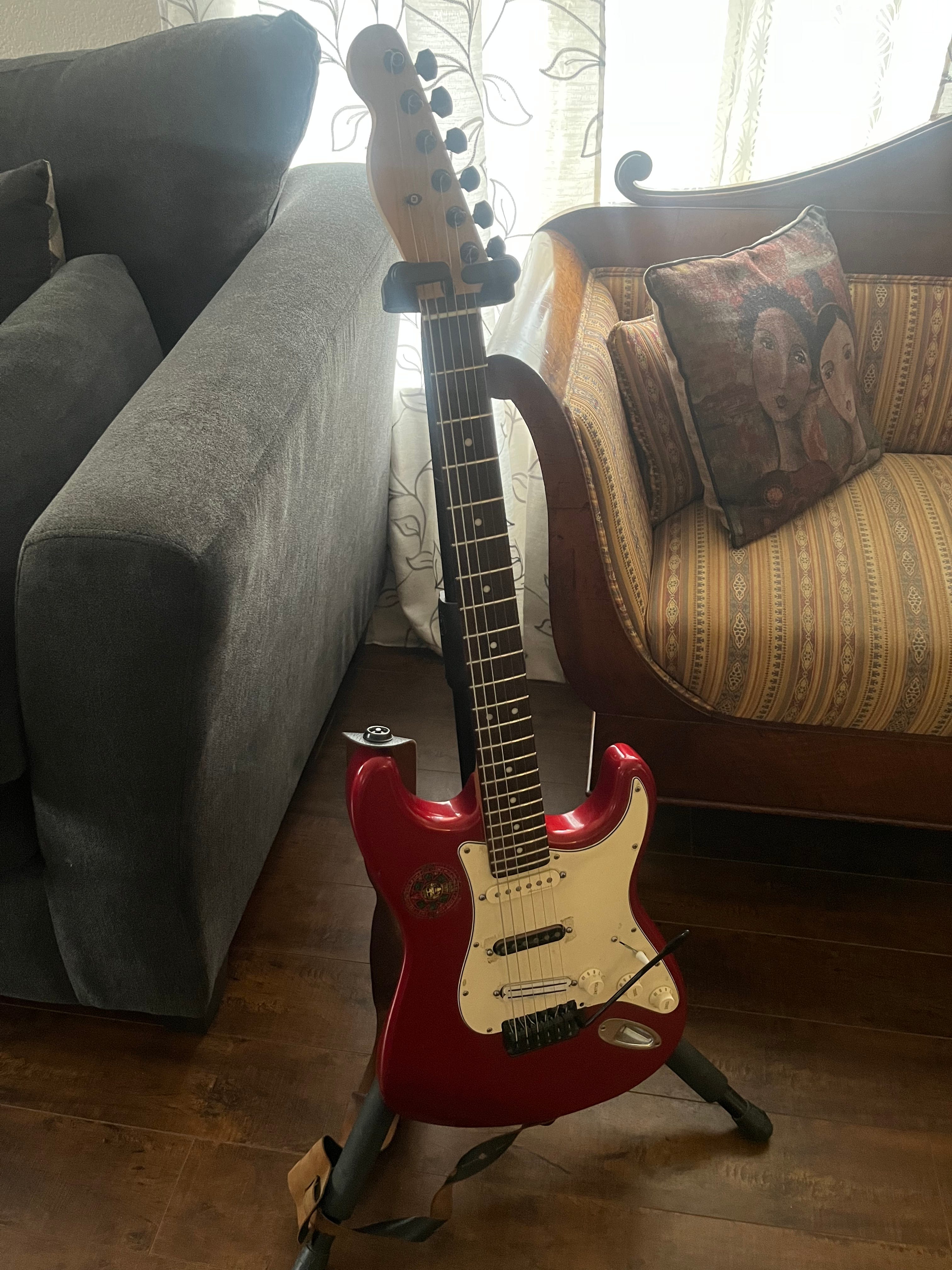
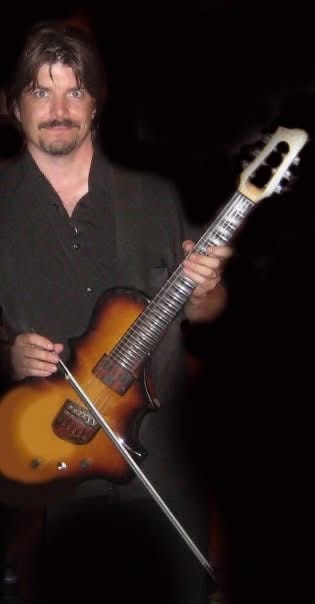
On the other hand, some of you are aware of my work on a unique guitar formatted viola, modern arpeggione, I branded as the TogaMan GuitarViol back in 2002. It was a newer version of something I had worked on a decade prior. Anyway, it was literally designed from cardboard and foam blocks in the hand before I committed it to a draft drawing or template. Completely by feel for intended ergonomics for the quirky way that I approach playing these. The challenge also was to have a distinctive aesthetic that set it apart from anything else yet had a certain slight familiarity or at least a compelling design. The damn thing worked! Unexpectedly, I went from creating an instrument for my own recording career ambitions to building the instrument full-time and unknowingly abandoning my first purpose or what career. (A golden first world problem I know!) But I did put a lot into the design and developments over the years staying somewhat on theme with my earliest caveats. No opinion committee allowed, just bring to hand! Inevitably, A couple of decades later, I’m seeing more and more instruments that resemble my designs. Many of them are not GuitarViols/arpeggione‘s. Some are guitar companies aping particular template pattern shapes. In some cases actual body patterns. In some cases my earlier uni-slot headstock patterns I eventually pivoted from out of annoyance. It’s gotten to the point where the copy cats or even copy in the other copy cats and it’s not clear who the original was. That’s where it gets kind of strange. So my initial intention of creating an identifiable that’s a TogaMan GuitarViol” as a silhouette and look is now being emulated by a generation that doesn’t respect The lifetime of penciling signature lines. The funny thing is that the arpeggione concept inspired me but I never saw a picture of the original until many years later (post early 90’s prototype attempt). There has been growing interest in the Arpeggione thanks to the instant access of the Internet. When I started off it was an obscure paragraph in a 1948 encyclopedia Britannica and we did not have Google. Now it’s a thing and there are many wonderful builders out there doing re-creations of the original Stauffer as well as ones that look a lot like mine - my particular combination of lines. The funny thing is that some of the copy cats don’t understand the functional aspect of some of the lines - even to the point of putting a plug jack where the leg stabilizer curve is. (I digress). They might even copy my early mistakes?
So this particular thing with Fender feels pretty ridiculous. On the other hand I get the feeling directly as to what it’s like seeing a lifetime of work being casually emulated. The first mouse gets caught in his own trap; The second mouse gets the cheese with less work involved. Just simply walk up to the ladder and get on the roof; no rock climbing required. So, patents have a limited shelflife. Trademarks only go so far. Now I’m copyright your work of art. All these legal work arounds to attempt being a brand bully. I did have a Utility patent back in the 2000s. So it’s a no-win situation. It’s not like I’m gonna go after some of the smaller builders who are walking (running) down the paved trail I blazed and took the initial scars for. My proof of concept that is heard in almost a quarter century of film and TV soundtracks. Heard by millions every day (who do not know what they’re hearing- they know the sound). On the other hand, going up against Goliath (A certain well-known (Japan based) company that has shamelessly aped my lines), Can be a fool‘s errand. I’ve had many friends in the industry deal with similar things. (Soldano coming out with an amp called the Hot Rod and establishing it well in prior Guitar Player Magazine ads only to have Fender ape “Hot Rod” trademark - this actually did happen in the early 90s - The question was how long could Soldano keep a legal team paid off in the process?). The bottom line is that Fender/Gibson et al. can feed lawyers for a long time and keep it in court forever whilst draining the small guys resources. There may not be any gold at the end of that rainbow but a bucket of shit and sunken legal fees. Sure a pitbull can whip a skunks ass but is the fight worth it? Or is peace of mind a better thing? Still, I’m glad that my work has resonated with some very talented people in this world and this lifetime. I’m glad that the new generation of Luthers has been inspired by some of my work. There are days when you say to yourself “ imitation is the highest form of flattery”. There are days it does not feel like that. Particularly if you are the exhausted salmon that arrived to the summit of an imploding mountain. The view from The rubble of the imploded Jenga tower that has been the last decade or two is different from here. It’s bitter sweet!
I do see an upside to this ridiculous Fender PR nightmare (of their own making) - maybe some new designers will float to the top and take the challenge of not using genetic generic or public domain patterns. Yes it is the riskier path. When somebody specializes in making higher quality versions of a (Stratocaster or a D 18 or whatever) you’re only competing on a better quality gold plated mouse trap. Yes ironically some of the most non-conservative people in the world (musicians) you are extremely conservative when it comes to tradition; to the point where if you color outside of those lines you’re looked at with great suspicion (or worse). People like safe and familiar. To design something refreshing new compelling and remarkable is not an easy thing to do! But it is a challenge worth taking on. When I went back to the drawing board to create the first of what we now know as the TogaMan GuitarViol, it was an Ergonomics first design with some classic flavors. But I did want to have a silhouette that was recognizable and identifiable. When you see a violin, you know it’s a violin and likely a copy of a Stradivarius. When when you see a Stratocaster, do you think Stratocaster even if it’s generic term Strat regardless of who made it. My hope is that when somebody sees a TogaMan GuitarViol, they recognize it as being such. Perhaps those lines will get blurred after my own lifetime. Who knows? Maybe the earth is overdue for an astroid collision….
The trolls and the sea lions. Yes they will come. The board room robots will come. It just seems that we are living in a time where a company like Fender is feeling The cabin pressure changing and The true colors are coming out. Like a cornered animal defending its turf. After market competition tolerated for decades is now intolerable on the shrinking raft. Again I hope the upside is more creativity. Personally I got extremely burned out going to NAMM shows over a 30 year period. It just felt like everybody was doing the same thing with a different color that year. Same Stratocaster‘s. Same old shit. It was always fun seeing fresh and new pup starts in the downstairs hall E. Because they would either fail spectacularly or succeed and have to fend off the GC buying vultures. I would never have become a Luthier (I prefer instrument maker architect artist) if I was simply just building another Stratocaster or Les Paul. To me it’s pointless uncreative and unchallenging. The safe road has more competition. There always will be somebody who will make a better Stratocaster than you. And why do it? When I pick up my parts caster, strum a chord, wiggle a few notes, i’m doing it because I love the Stratocaster for what it is. On the other hand I have zero desire to make one. I would rather risk the wood on solving a different problem. In my case my problem was the very instrument I was after did not exist in the manner that I wanted it to. I was not content to just build another violin cello or perhaps make a six string cello tune like a guitar. No it had to feel like that dream in the hand. That to me is far more satisfying; from scratch and not reverse engineering something that exists already. I hope that this crazy shake up with Fender’s decades removed PR bully moves encourages more people to consider alternative concepts and designs. Either supporting a living luthier (not trading in ones by dead people). Or try some wild things in your own garage!
So to those who are upset with Fender whether customers (or makers who have modeled their business off making better than versions), I encourage you to take up the challenge of doing something truly your own. The safe road is not safe. The risk-averse road has more competition. The satisfaction of being your own artist is far greater. I’m grateful that somehow I was able to create something (initially for myself) that had a impact on a lesser thought of genre (cinematic soundtrack music) and somehow as inspired a few people in my field. It is not easy - but nothing truly worthwhile ever is!
Stay inspired
Entheos
Follow your OEM soul software
Jonathan
The original GuitarViol maker of the 21st century.
Be sure to follow The film composer‘s secret weapon hitting festivals this summer!